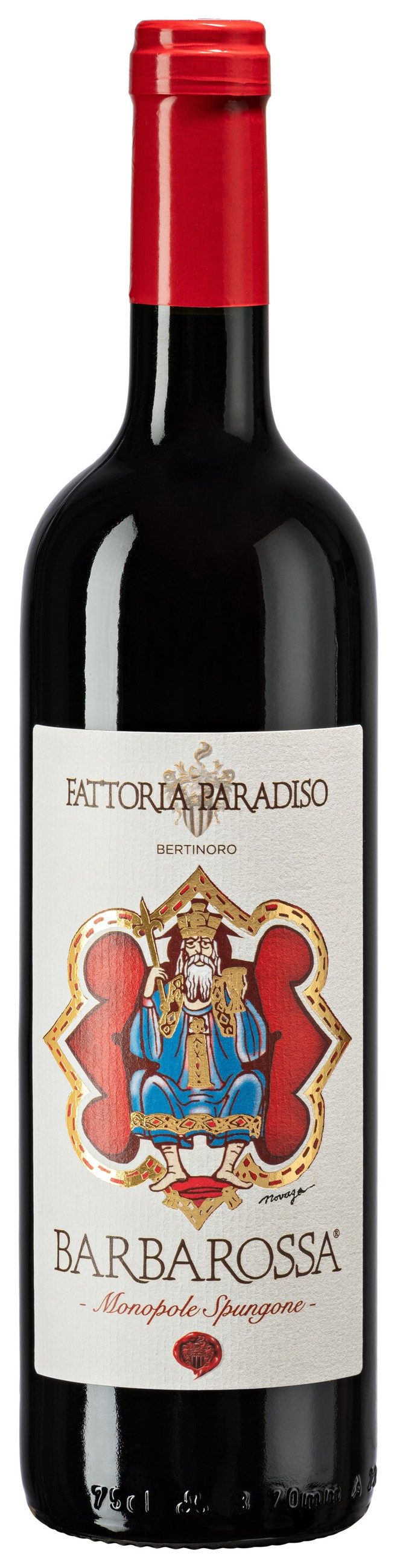
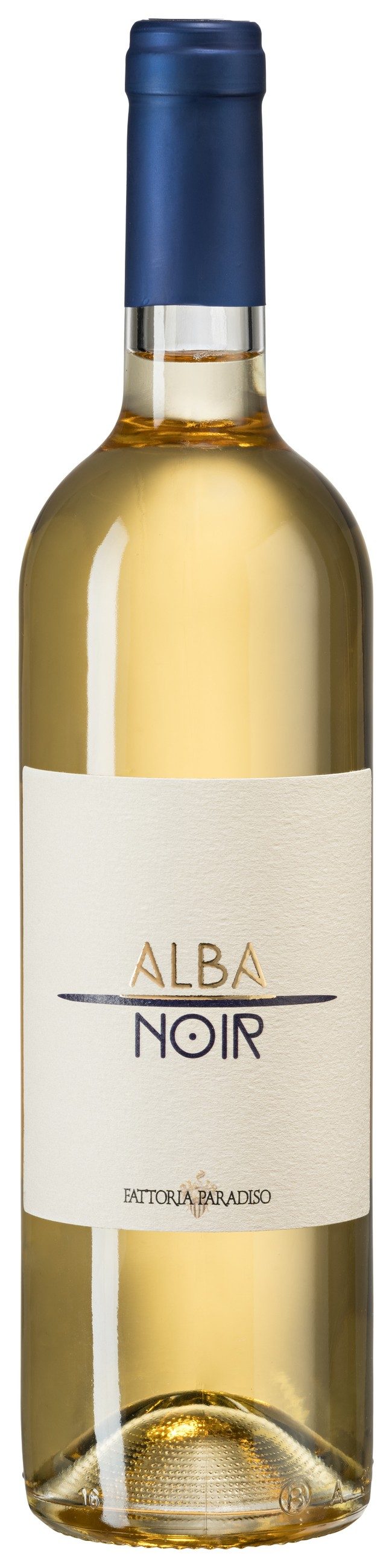
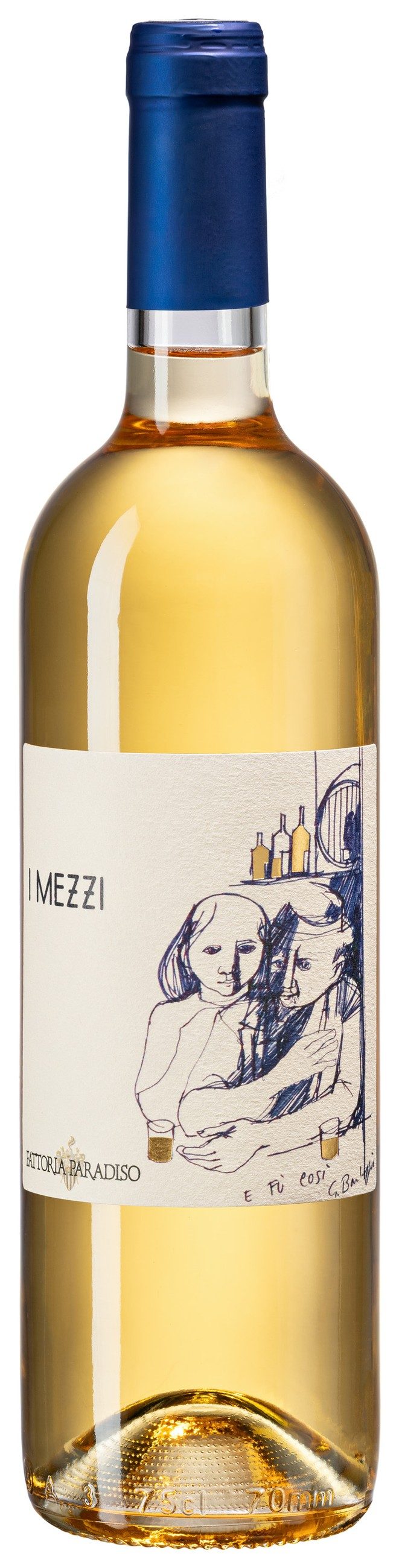
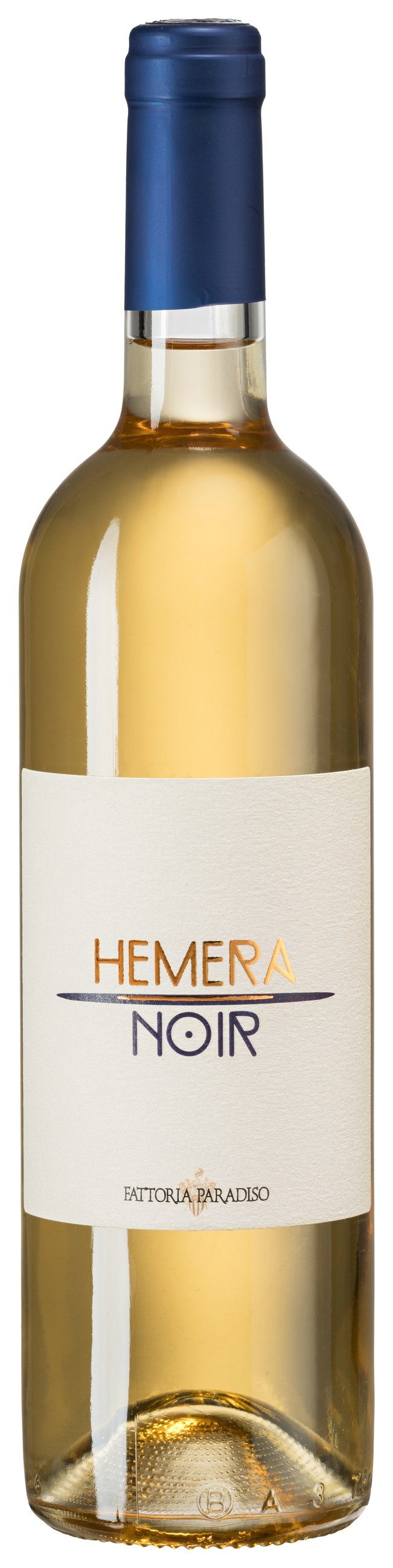
Vigna Spungone
At 250 metres, in the heart of the Conca d’Oro. The soil is spungone: a warm, sponge-like rock of fossil shells, a cliff left behind by a vanished sea. It gives deep savouriness and tension. Planted in 1970.
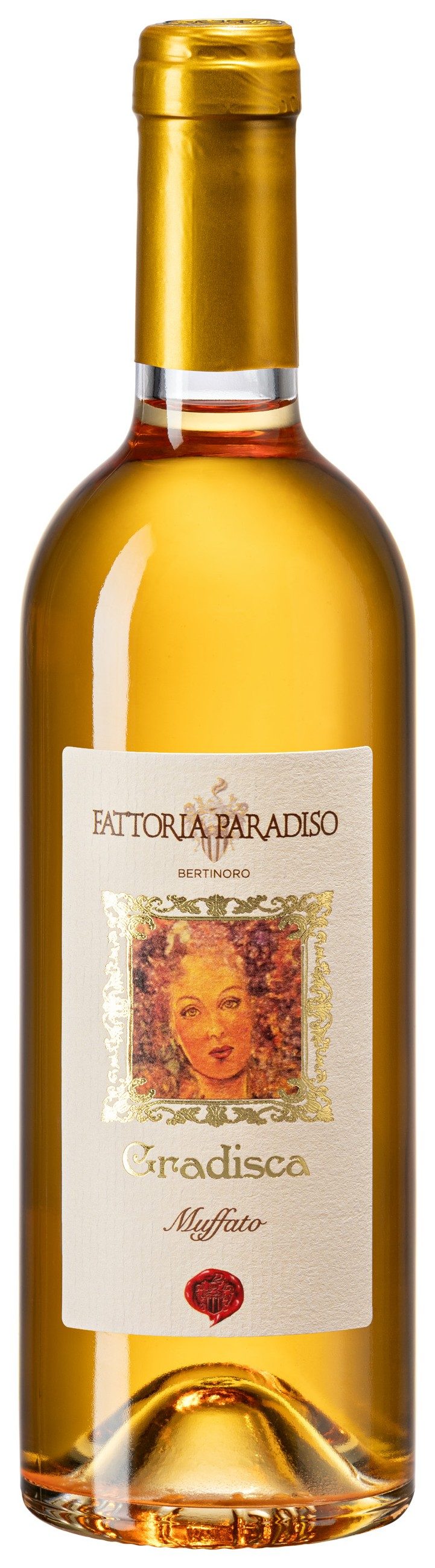
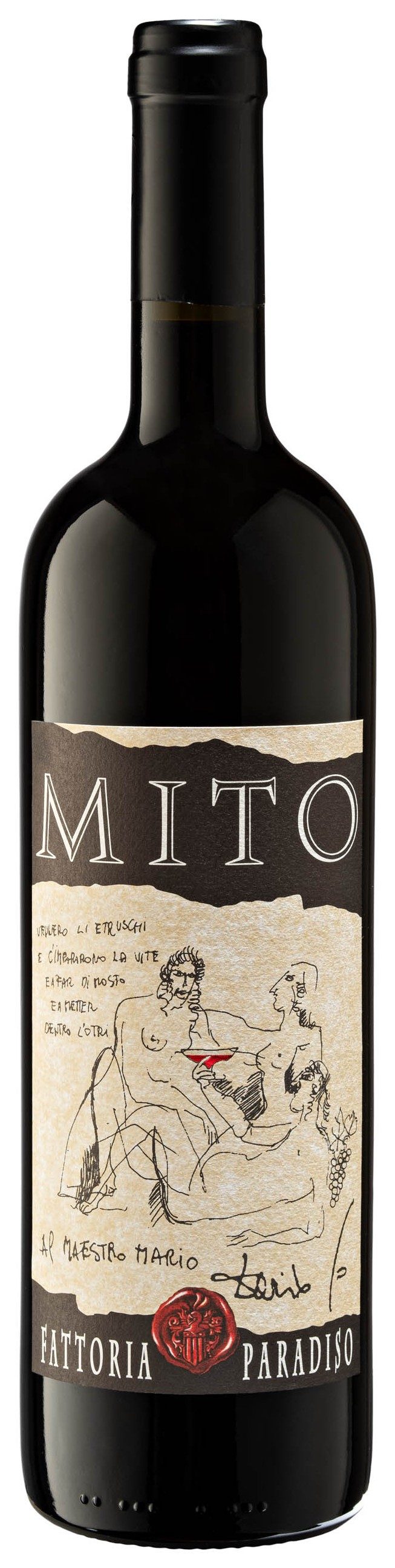
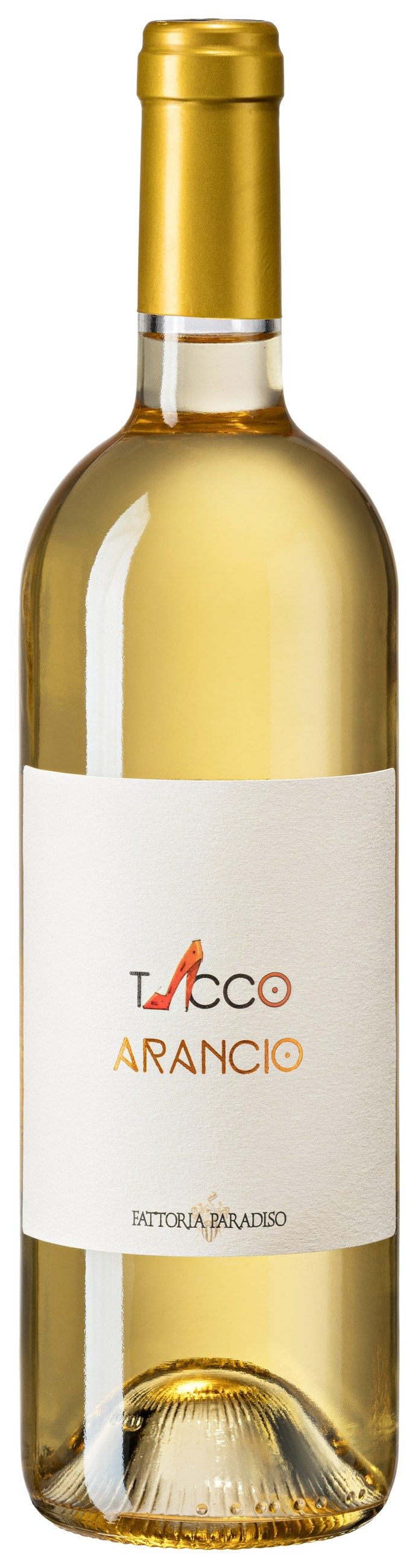
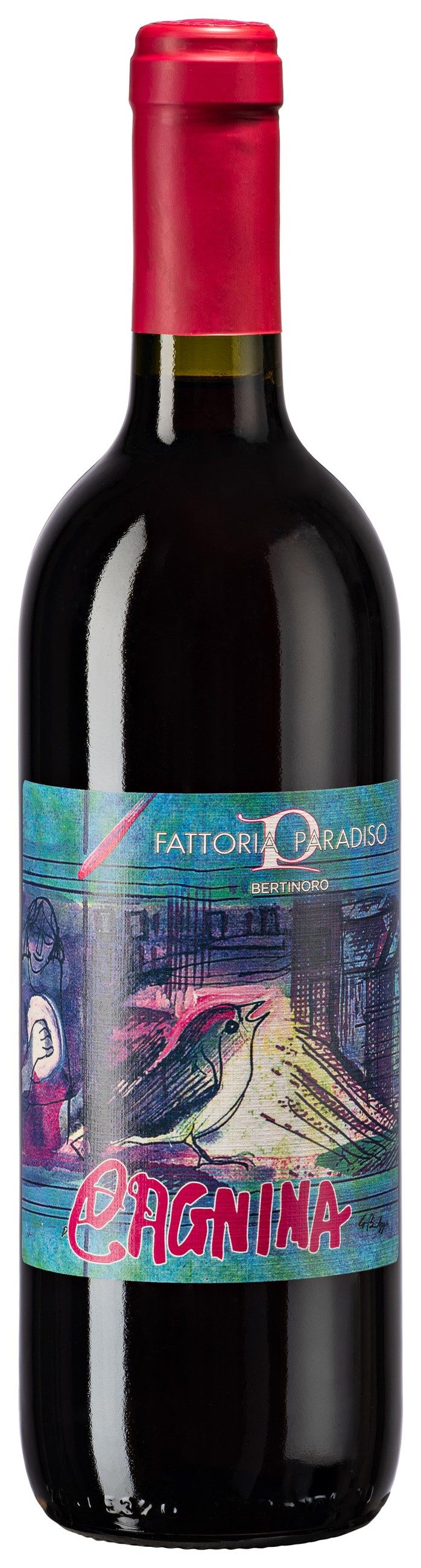
The wines of this cru

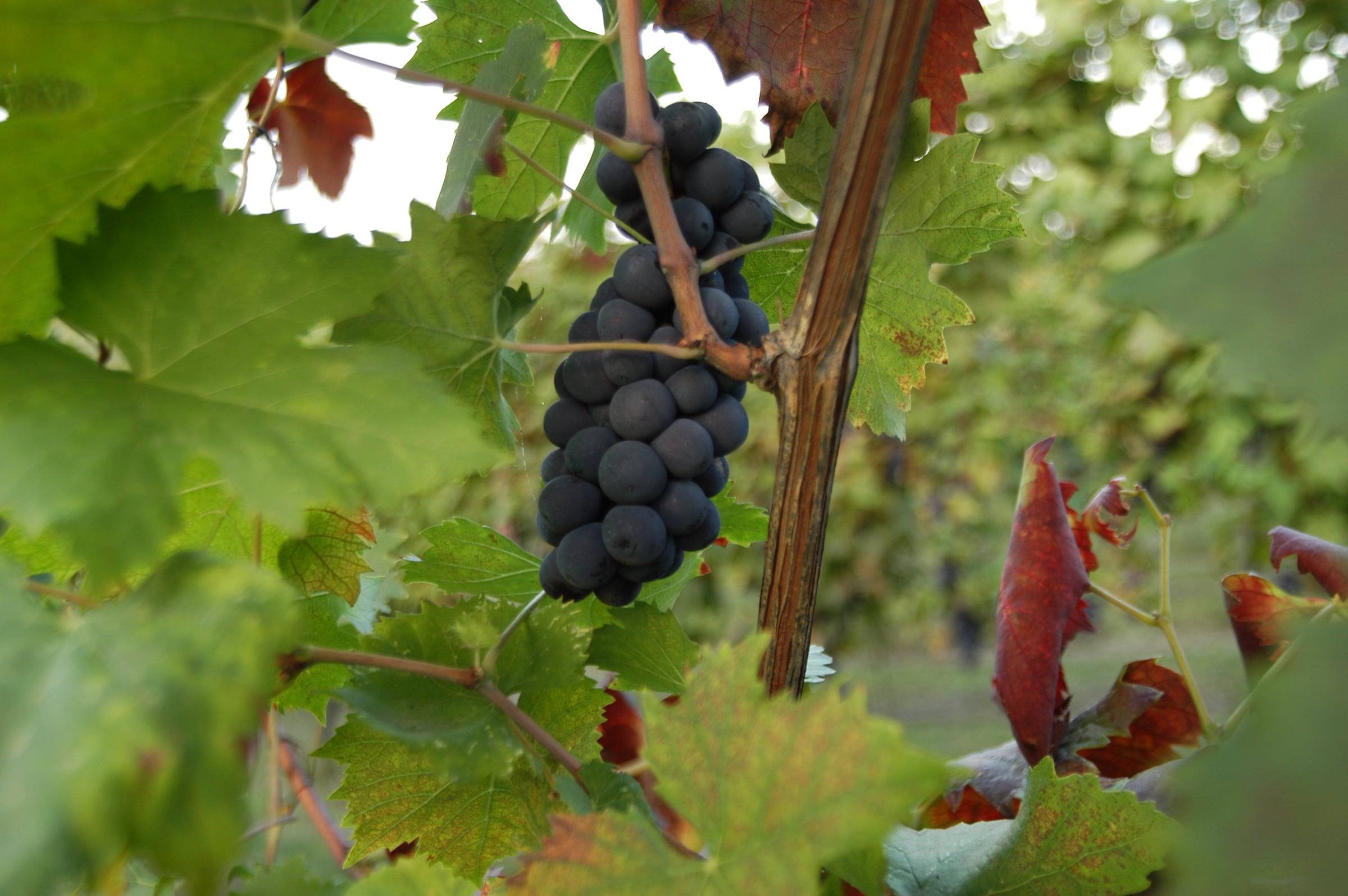
Fifty-three hectares on the first step of the Romagna Apennines, between Forlì and Cesena. In 1973 Mario Pezzi and Luigi Veronelli recognised ten crus on the estate: Lepri, Molino, Viale, Olivo, Spungone, Dosso, Rotonda, Pavone, Quercia, Giardino. Each vineyard is divided into parcels according to its soil, and each parcel is farmed on its own. We do not impose a style: we wait for the land to speak.
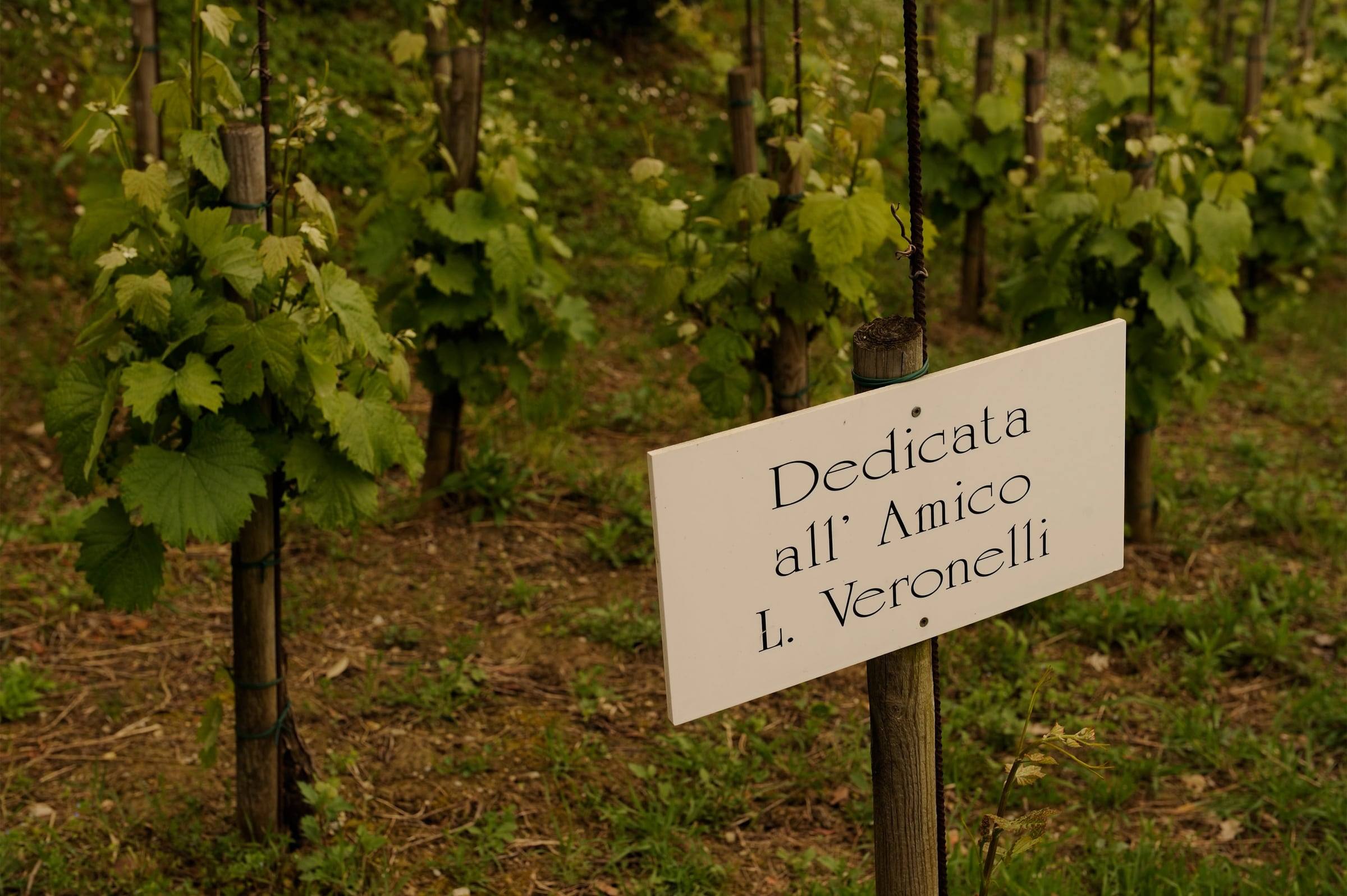
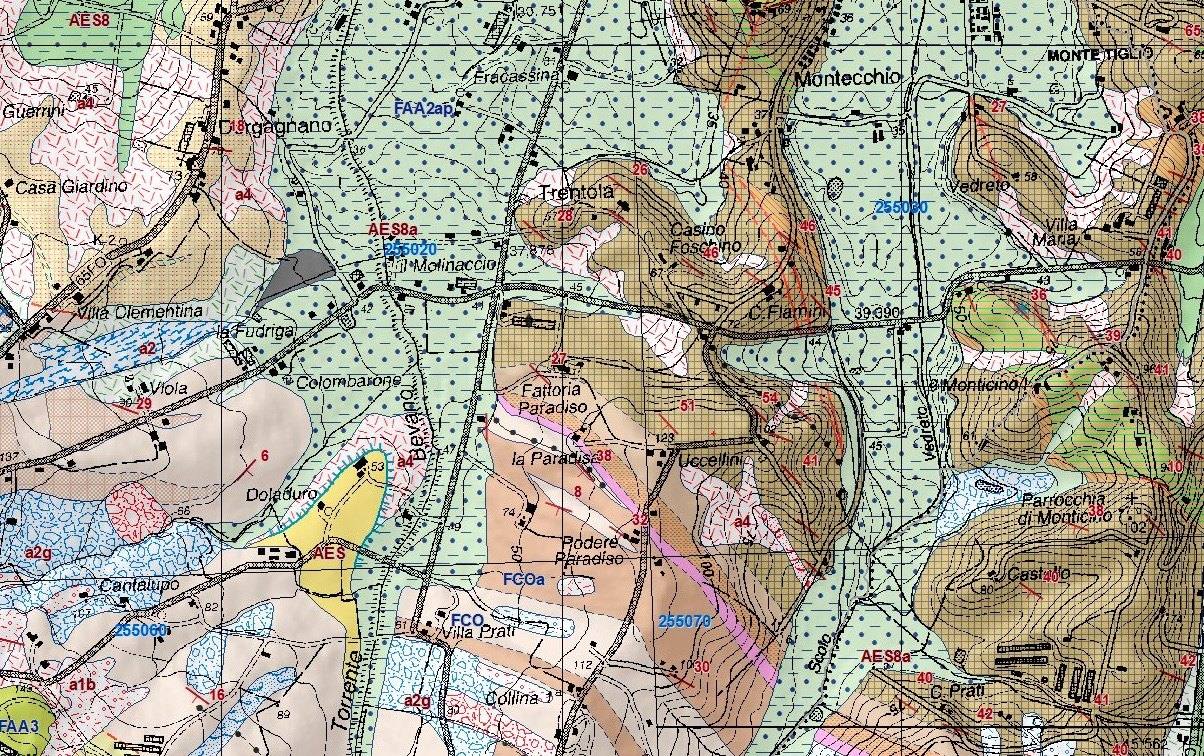
At 250 metres, in the heart of the Conca d’Oro. The soil is spungone: a warm, sponge-like rock of fossil shells, a cliff left behind by a vanished sea. It gives deep savouriness and tension. Planted in 1970.
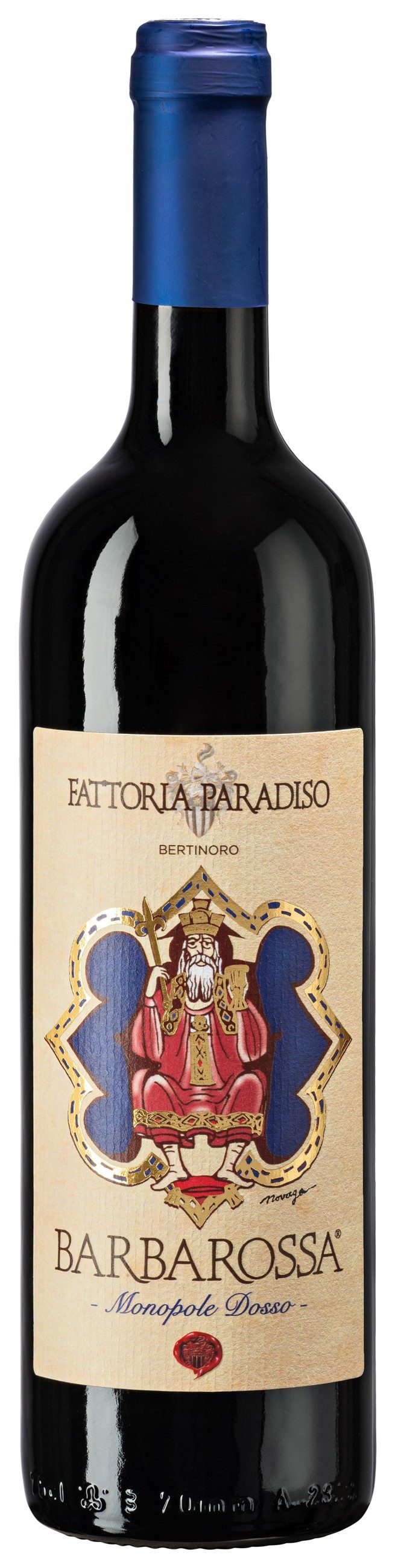
Higher up, at about 300 metres, the earth grows deeper: blue Pliocene clay, compact, holding water and giving strength and structure. This is where Mario Pezzi propagated the first Barbarossa vine, in 1954.
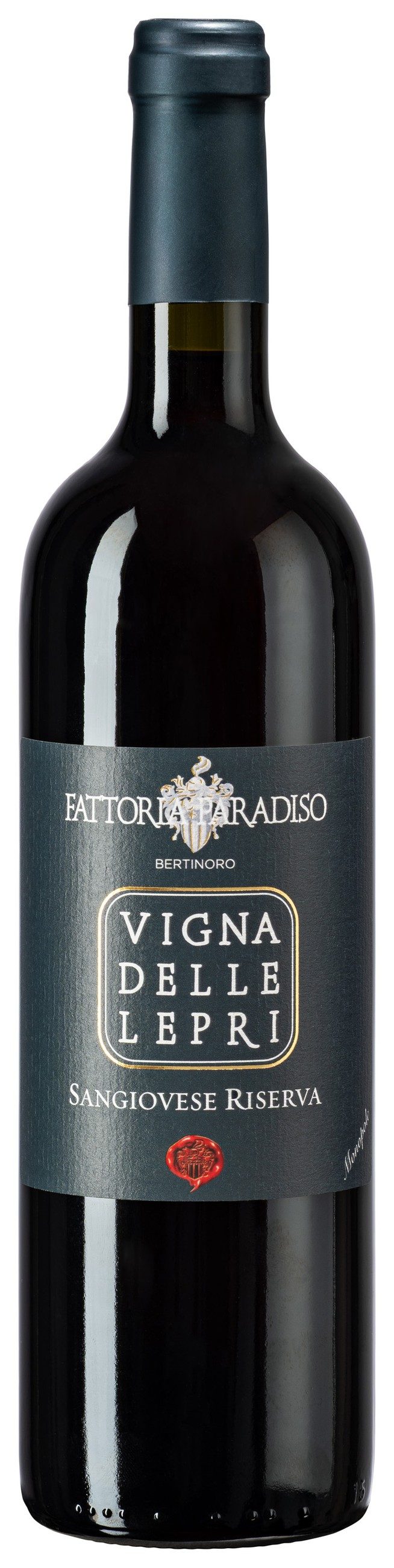
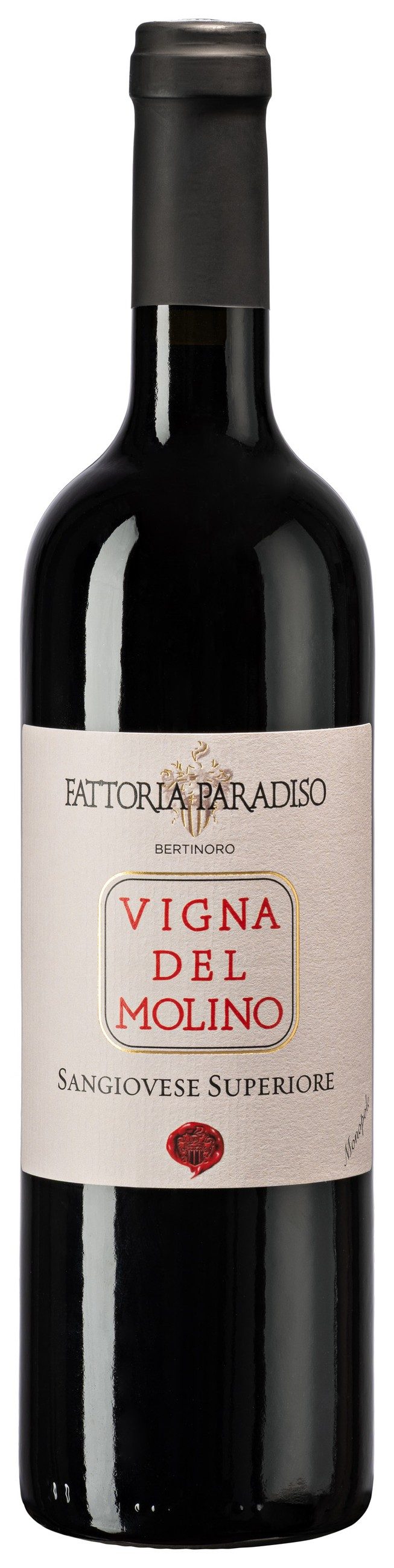
Planted in 1963 with Sangiovese Grosso, thanks to the friendship with Franco Biondi Santi; its vines are over sixty years old. From here, in 1970, came the first Sangiovese Riserva produced in Romagna. The soil: clay and limestone. Only the wine Vigna delle Lepri comes from here; its best vines, through massal selection, were used to replant Vigna Molino and the Sangiovese Grosso of Vigna Rotonda.
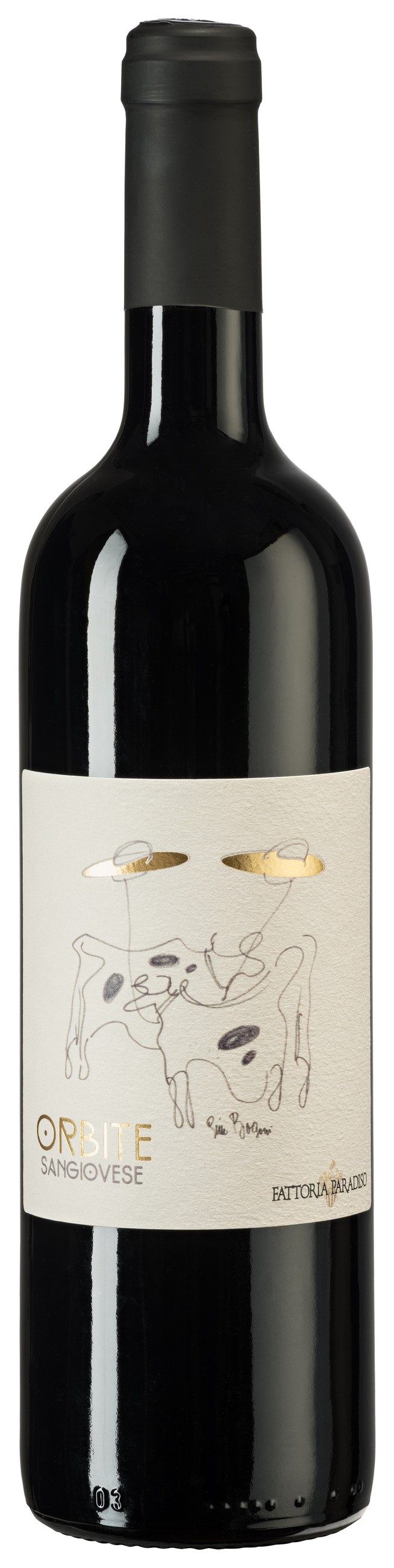
Soils born of ancient seabeds; Roman remains have emerged from the ground. Twenty-seven Sangiovese biotypes, selected here, vine by vine. Replanted with a massal selection of the best vines of the historic Vigna delle Lepri: Vigna Molino and Orbite come from here.
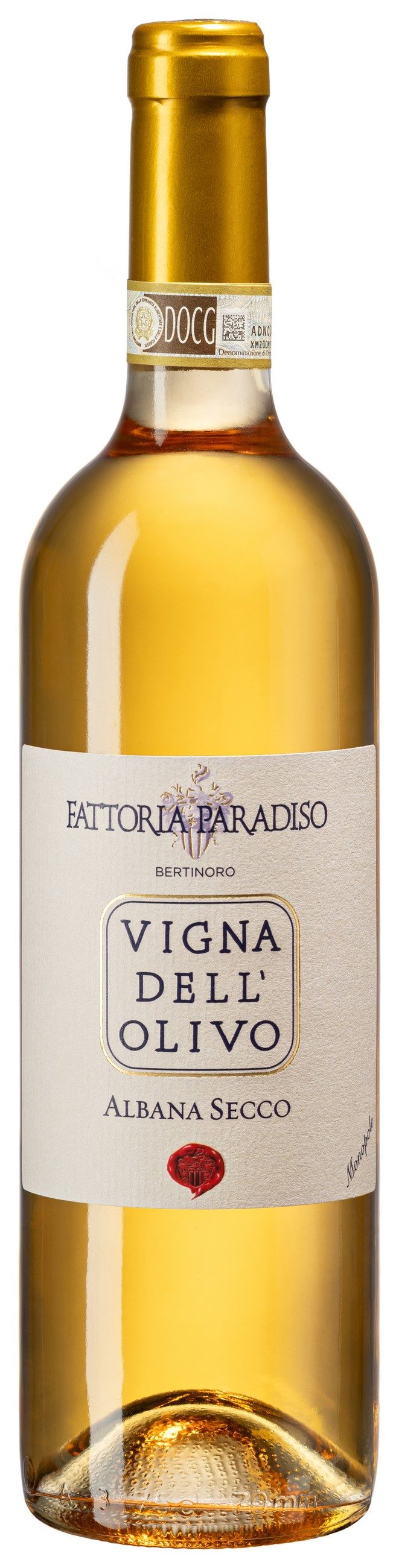
Sun, wind, and the memory of Romagna’s sulphur. Here Albana ripens golden and concentrated.
White nodules of limestone and morning mists: the microclimate that invites noble rot onto the Albana bunches.
Dark layers of marl. Planted in 1970. Part of it is Bombino Bianco, for Tacco Arancio; part is Sangiovese Grosso, for Mito: only this part was replanted with a massal selection of the best vines of the historic Vigna delle Lepri.
Pale clays with gypsum crystals; planted in 1970.
Iron-rich earth with flashes of quartz: a soil that gives Albana tension and light.
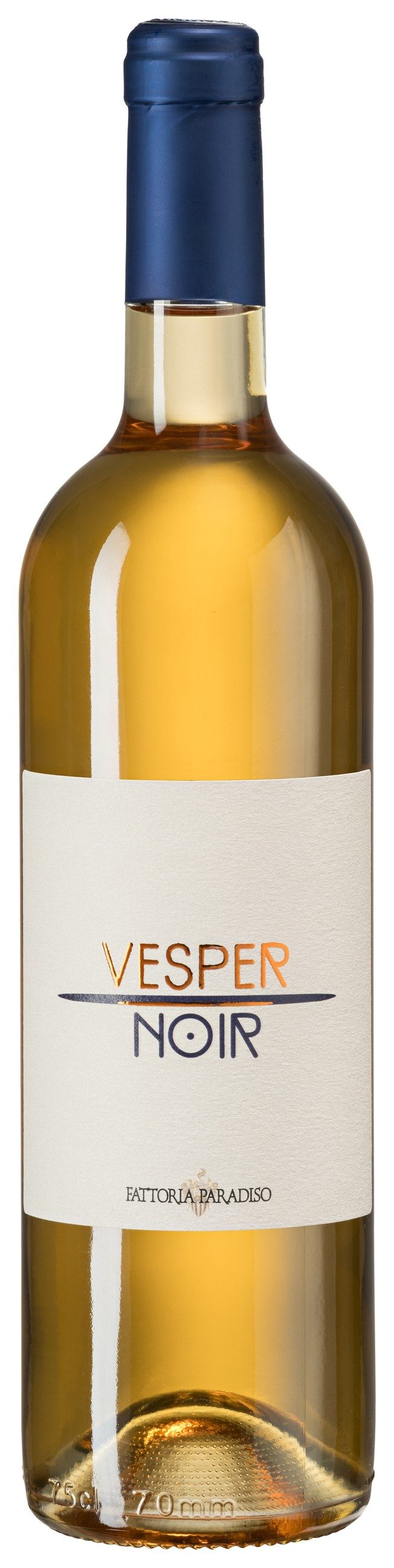
Yellow sands. Here Hemera is born, the Albana of full daylight.
We respect your privacy
This site only uses strictly necessary technical tools. Statistics (Google Analytics): active only with your consent. No measurement tool is loaded before you choose.Technical cookies only; statistics only with your consent. Cookie policy